Galala, Sunny, Milly, Safaga, Aswan, Sinai: what each Egyptian stone is, where its name comes from, and where it belongs in a building.
Egypt has been in the stone business for five thousand years, and it is still one of the few countries that can put marble, granite, limestone, onyx and paving on the same truck. The material is quarried here, worked here, and shipped from here, and the names it travels under are the names of the places it came from.
That is the useful thing about Egyptian stone: the catalogue is a map. This guide runs through the families, stone by stone, with what each one is, how it reads, and where it belongs.
Why Egyptian stone
Three reasons, in the order buyers usually discover them.
Continuity of supply. These are working quarry regions, not boutique deposits. A stone specified for a façade can generally be repeated later, which is not true of every quarry in every country.
Range in one place. Warm creams, cool greys, crisp whites, black and red granites, translucent alabaster and rough paving all come out of the same country. One supplier, one set of drawings, one shipment.
A track record you can walk through. The oldest reference projects for Egyptian granite are still standing outdoors after thousands of years. Very few materials come with that kind of long-term testing.
How Egyptian stones are named
Most names are places: Galala, Sinai, Safaga, Aswan, Menia (Minya), Zaafarana. Some are borrowed from Egypt's own history rather than a quarry pin, and some are house names given by the company that brought the stone to market.
Two practical consequences follow.
First, a place name is a family, not a swatch. Aswan alone covers a red granite, a pink one, a black one and a mottled one. Second, the same stone can travel under more than one trade name, which is why Rosa Sinai is also sold as Rosa Aswan. Always specify the full name, and confirm it against a sample from the actual batch.
Egyptian marble and limestone
The largest family, and the one most people mean when they say Egyptian marble. Warm, light, workable, and the reason Egyptian stone shows up on façades across the region. See them all in the marble and limestone collection.
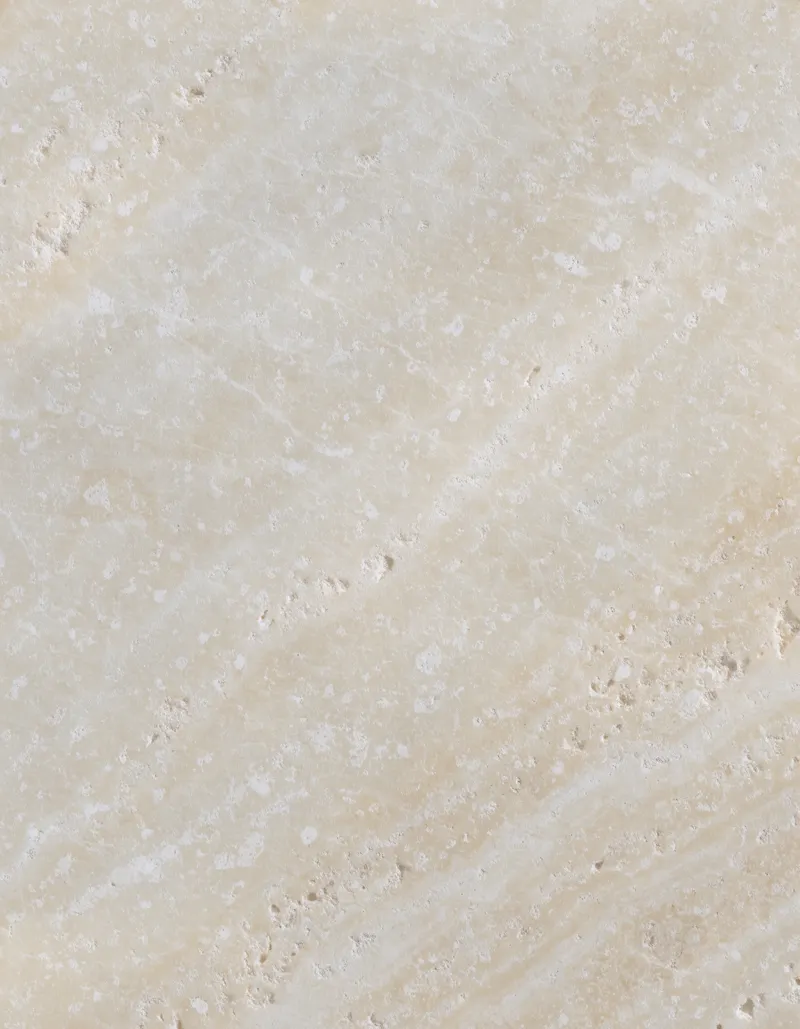
Galala Classic
Egypt's signature cream. Calm, luminous, even, and endlessly workable, which is why it appears on more Egyptian façades and lobbies than any other stone. It takes polished, honed, brushed and tumbled faces equally well, so one stone can run from a formal interior floor to a tumbled courtyard.
Galala Classic is the safe first specification for a project that wants light, warmth and continuity of supply.
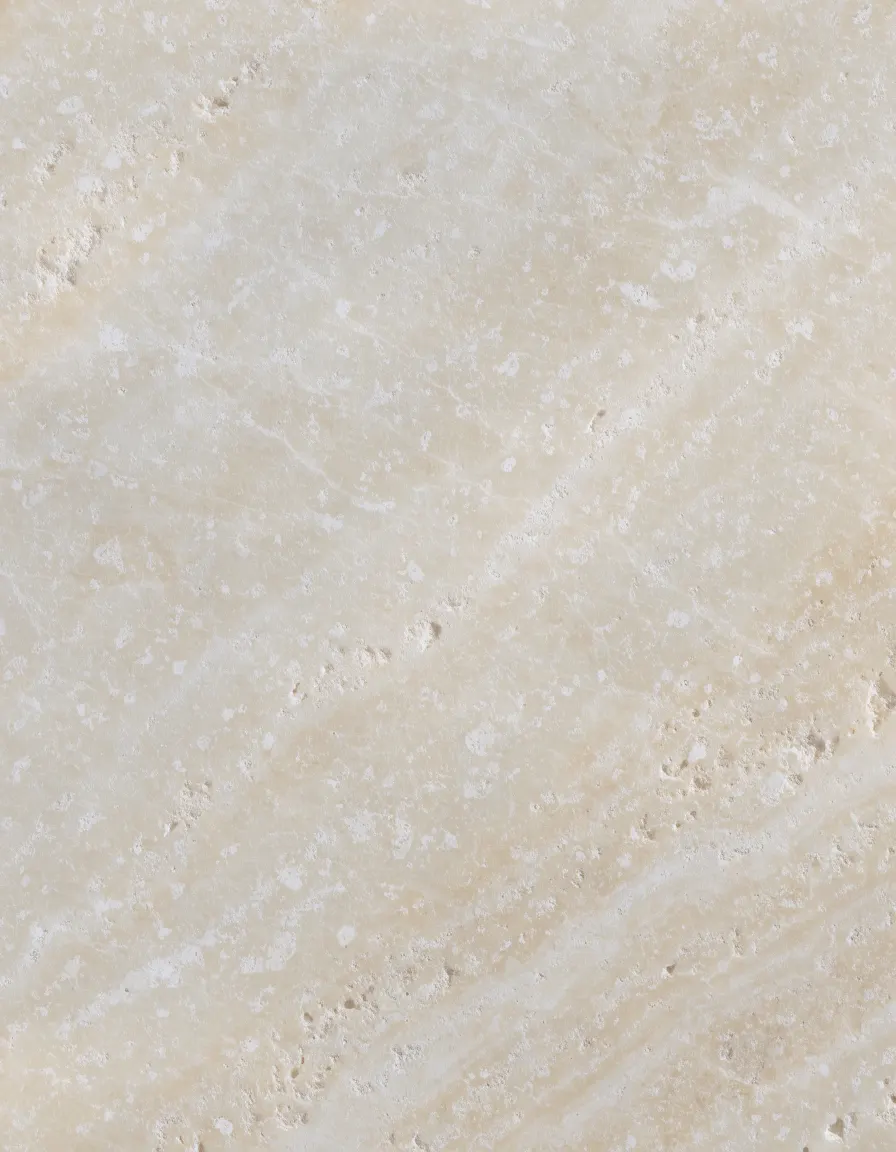
Golden Cream
Warmer and more golden than Galala, with a soft, even tone that flatters natural light. It reads richer in the afternoon and gives an interior a sunlit base without a strong pattern competing for attention. Golden Cream.
Sunny Royal Beige
A sunlit royal beige with subtle veining. More movement than Golden Cream, still calm enough to run across a large floor. Good for façades and lobbies that want warmth with a visible grain. Sunny Royal Beige.
Milly Grey
A cool grey marble with drifting, cloud-like movement. This is the contemporary end of the Egyptian palette: it sits with concrete, glass and dark joinery in a way the creams do not. Brushed, it is one of the best-wearing surfaces in the range. Milly Grey.
Silvia Menia
A pale marble from the Minya region of Middle Egypt, fine-grained and understated. Where Milly Grey has weather in it, Silvia Menia is still: a quiet field stone for large areas that should not shout. Silvia Menia.
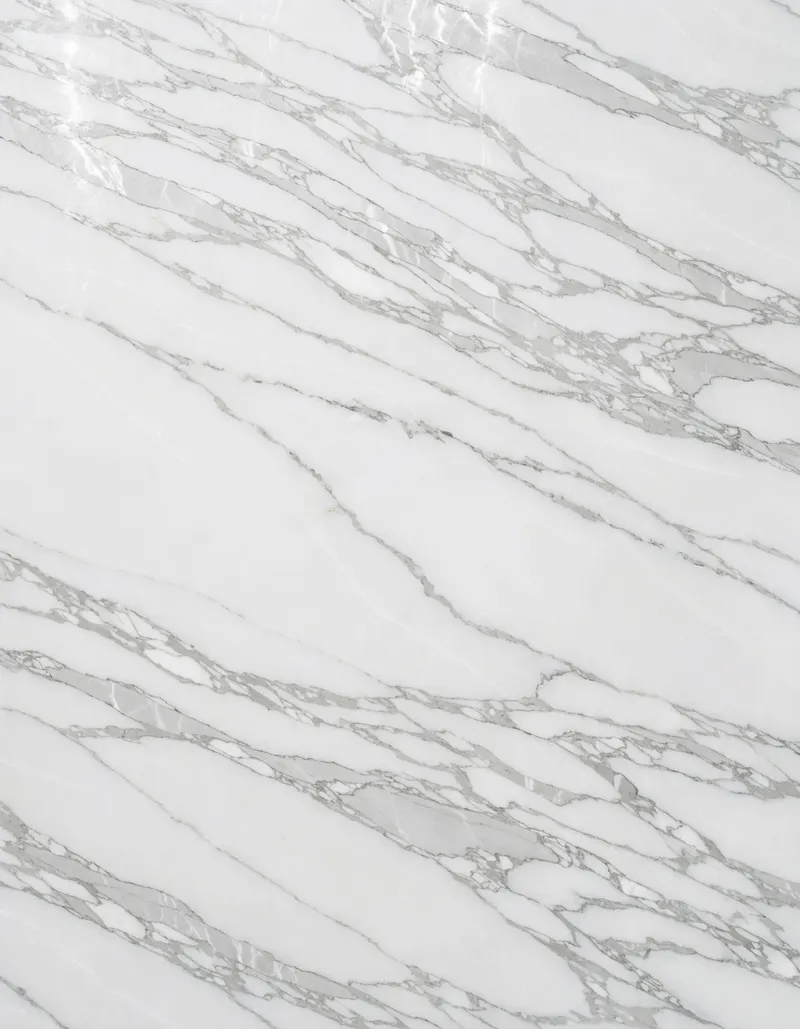
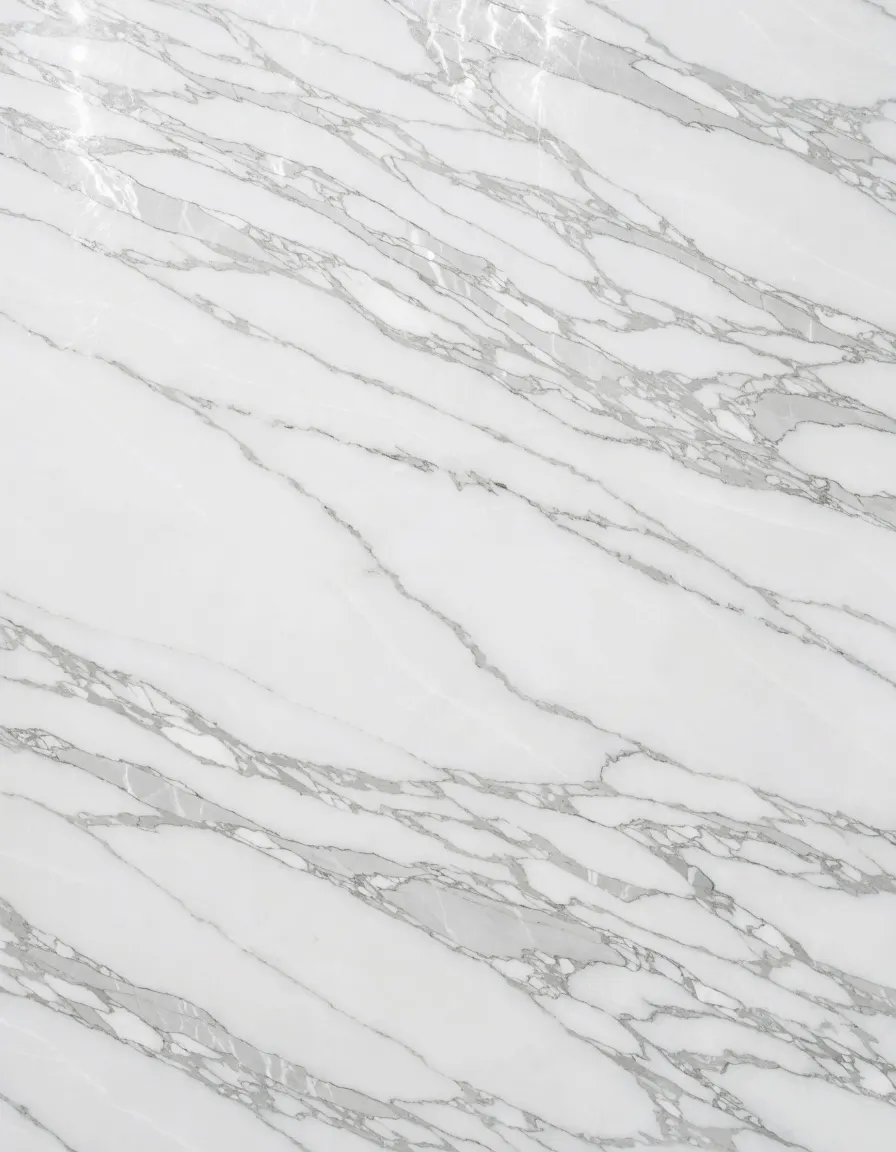
White Safaga
A bright white marble with silver-grey veining, named for the Red Sea coast. Crisp, clean and modern, and the stone to reach for when a project has been asking for an imported white. White Safaga.
Giallo Jodad
A golden-toned marble carrying the house name. Warm, glowing and distinctive, at its best in feature areas rather than as a field: reception faces, a lift lobby, a single wall that has to hold the room. Giallo Jodad.
Egyptian granite
Harder, denser, and the family with the longest reference list in the world. Granite is where Egyptian stone earned its reputation, and it is still the right answer wherever water sits, feet land or edges take abuse. See the granite collection.
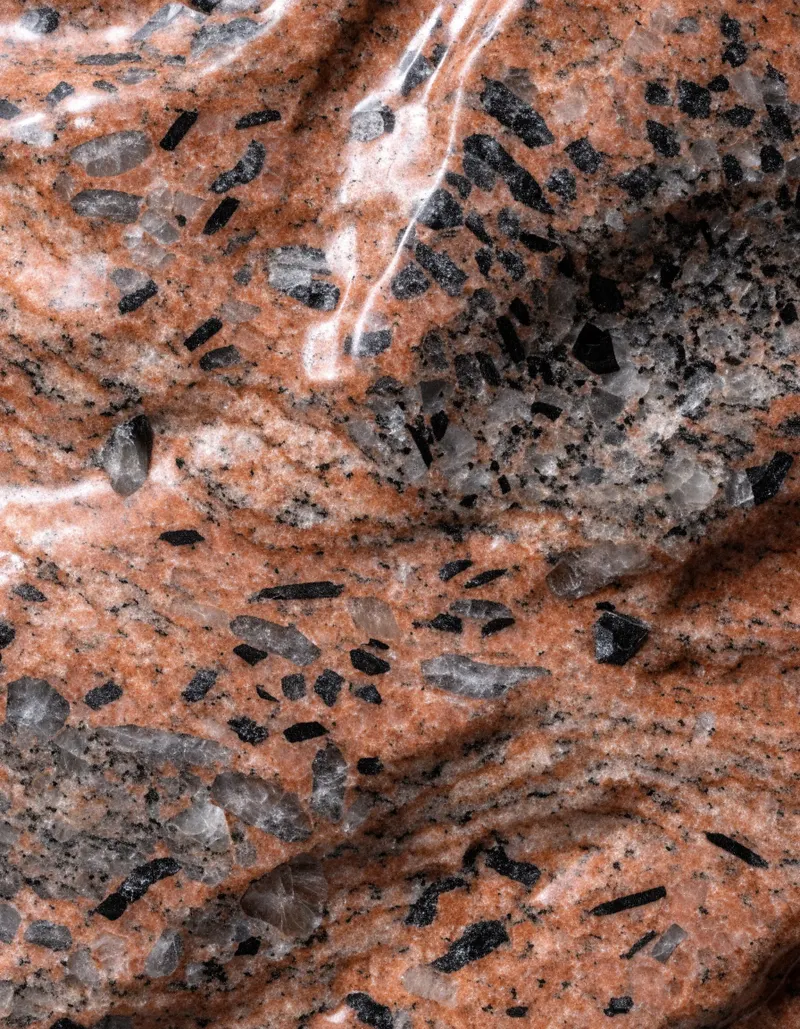
Red Aswan
The storied red granite of the obelisks: coarse-grained, warm, richly figured, quarried in the Aswan belt since antiquity. It has its own article here, including how the finish changes its colour: Red Aswan, the granite of obelisks. Red Aswan.
Nero Aswan
A deep black granite with a fine, even grain. Dramatic and dense, and one of the few stones that reads as luxurious in both polished and flamed faces. Use it for cladding, counters, bases and dark bands set into lighter fields. Nero Aswan.
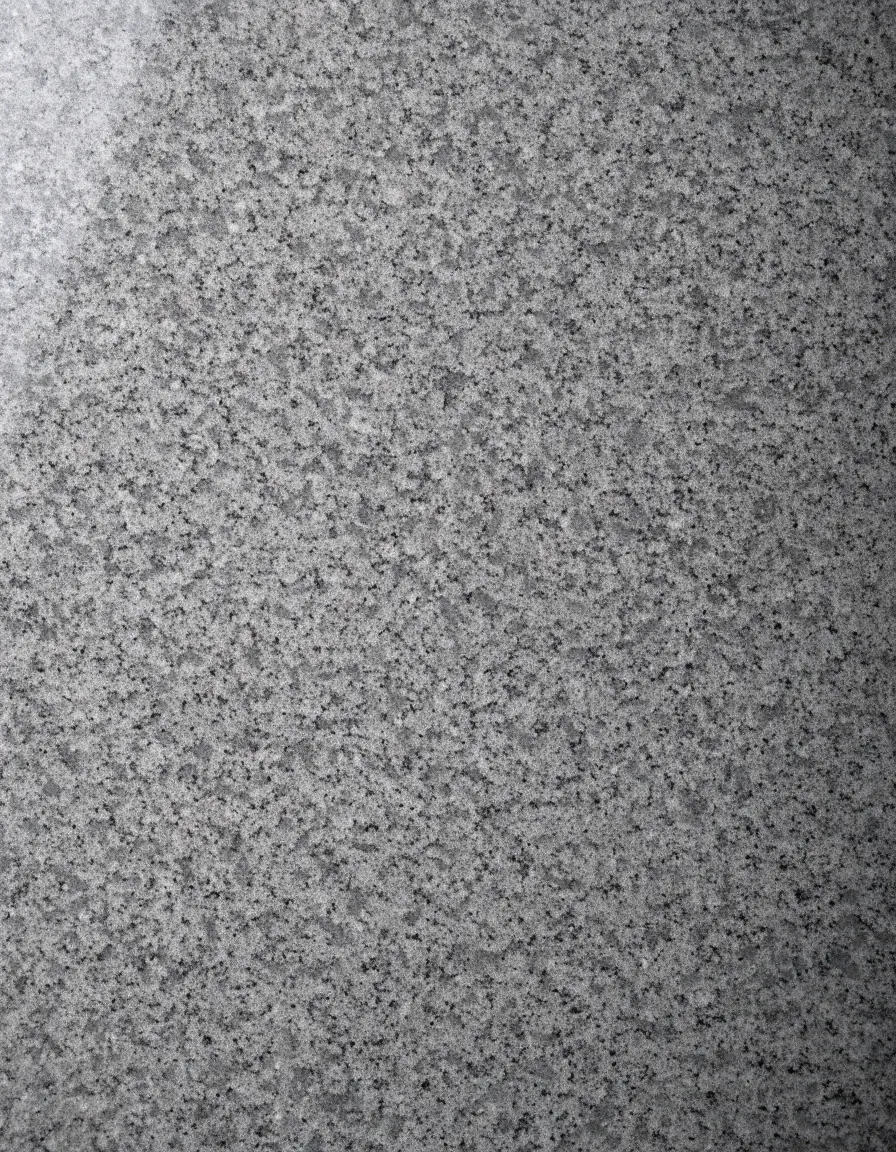
Karnak Grey
A balanced grey granite with a quiet, uniform speckle, named for the temple complex at Luxor rather than a quarry pin. Architectural and versatile: kerbs, thresholds, treads, cladding, paving, and any place where a floor has to disappear and simply work. Karnak Grey.
Rosa Nasr
A soft rose granite with gentle movement, warm underfoot and full of light. The friendliest of the Egyptian granites, and a good exterior floor where dark stone would cook. Rosa Nasr.
Rosa Sinai
A pink Sinai granite with a fine crystalline sparkle, also sold as Rosa Aswan. Finer in crystal than Red Aswan and lighter in tone. Specify the full name and confirm the batch: this is the stone the naming confusion most often lands on. Rosa Sinai.
Gandonna Aswan
Mottled, warmer, higher in contrast than the other Aswan granites. A characterful stone that wants to be seen in fields large enough for the pattern to resolve. Gandonna Aswan.
Egyptian onyx and alabaster
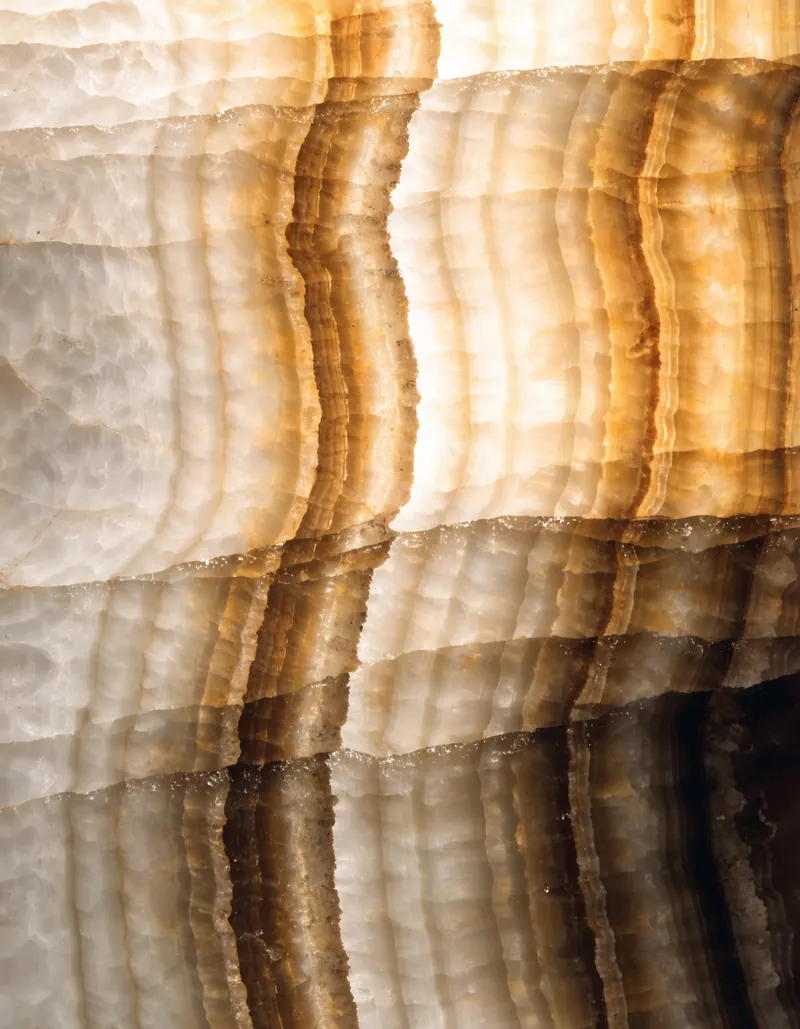
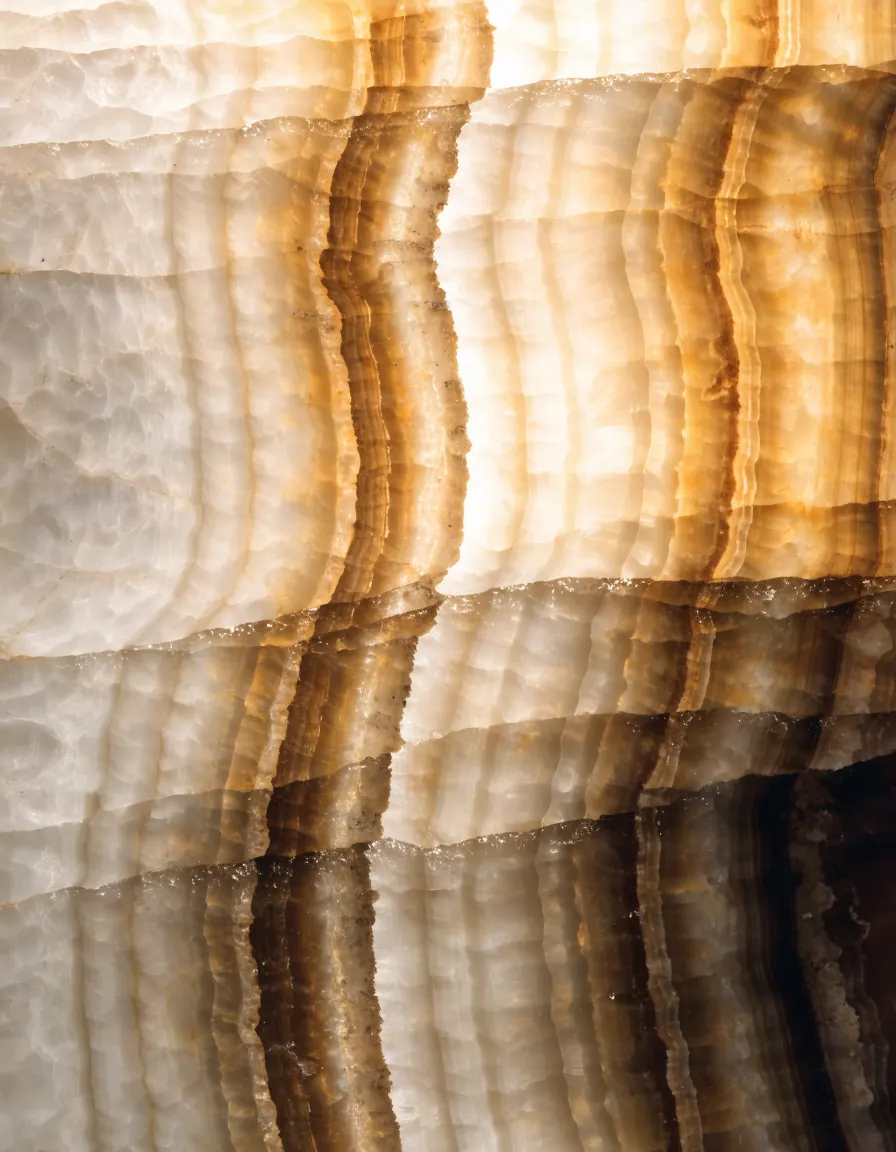
Egyptian alabaster is a calcite stone worked here since the age of the pharaohs, when it was cut for vessels and lamps precisely because light passes through it. That is still the reason to use it. See the onyx collection.
Honey Alabaster, vein cut is cut along the bed, so the amber bands run in straight, linear stripes. Honey Alabaster, flower cut is cut across it, opening blooming, cloud-like figures from the same block.
Both belong where they can be backlit: a bar front, a reception desk, a bath surround, a single wall in a dark room. Backlighting is not decoration here. It is the point of the material.
Mosaic and paving
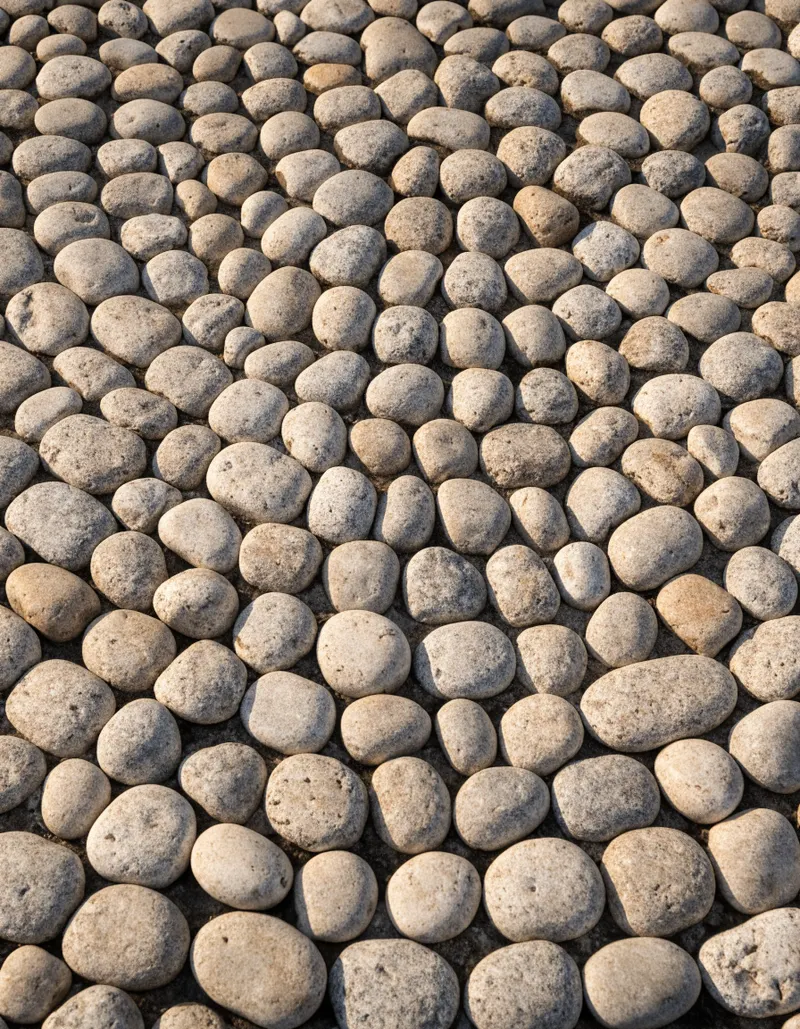
Cobble Stone is tumbled natural stone for driveways, courtyards and landscape: rugged, informal, and forgiving of the dust and heat that punish smoother exterior floors. It is the oldest paving idea there is, and still the most durable one for vehicle traffic. See the mosaic collection.
Marble or limestone?
Worth saying plainly, because the trade and the geology disagree.
Several of Egypt's best-known creams and beiges, Galala among them, are limestones by geology and marbles by trade. They are sold, specified and finished as marble, and they behave like a soft to medium marble in use.
What matters on site is not the label but the consequence: these stones are softer and more porous than granite. They are excellent for interiors, façades and dry exteriors, and they want sealing, drainage and sensible finish choices where water sits. Granite is the answer for constant wetting, salt and heavy traffic. Choosing between the two is a use question, not a status question.
Choosing by where it goes
| Application | Stones to consider | Family |
|---|---|---|
| Interior floors and lobbies | Galala Classic, Golden Cream, Sunny Royal Beige, Silvia Menia | Marble & limestone |
| Contemporary interiors | Milly Grey, White Safaga | Marble & limestone |
| Feature walls and reception faces | Giallo Jodad, Nero Aswan, Honey Alabaster | Marble, granite, onyx |
| Façades and cladding | Galala Classic, Sunny Royal Beige, Karnak Grey | Limestone and granite |
| Wet areas, pool edges, fountains | Any Egyptian granite, with a bullnose edge | Granite |
| Steps, kerbs, thresholds | Karnak Grey, Red Aswan, Nero Aswan | Granite |
| Driveways, courtyards, landscape | Cobble Stone, flamed granite, tumbled limestone | Mosaic and granite |
Then decide the surface, because the finish changes the colour and the behaviour of every stone above: one stone, many faces. Outdoors, choose the finish first: stone in the Egyptian sun.
How to buy Egyptian stone
Specify the full stone name and the finish sequence together, decide whether you are buying blocks, slabs or cut to size, and say at enquiry if the project has to read as one batch.
Then ask to see it: a sample in the actual finish, photographed wet, and the order dry-laid and inspected before it is packed. Everything Jodad makes passes through that floor, because quarrying, sourcing, processing and installation sit under one roof.
Five thousand years in, the Egyptian argument for stone has not changed. It is hard, it is honest, it ages better than what it replaces, and it is still here.