Marble & Limestone
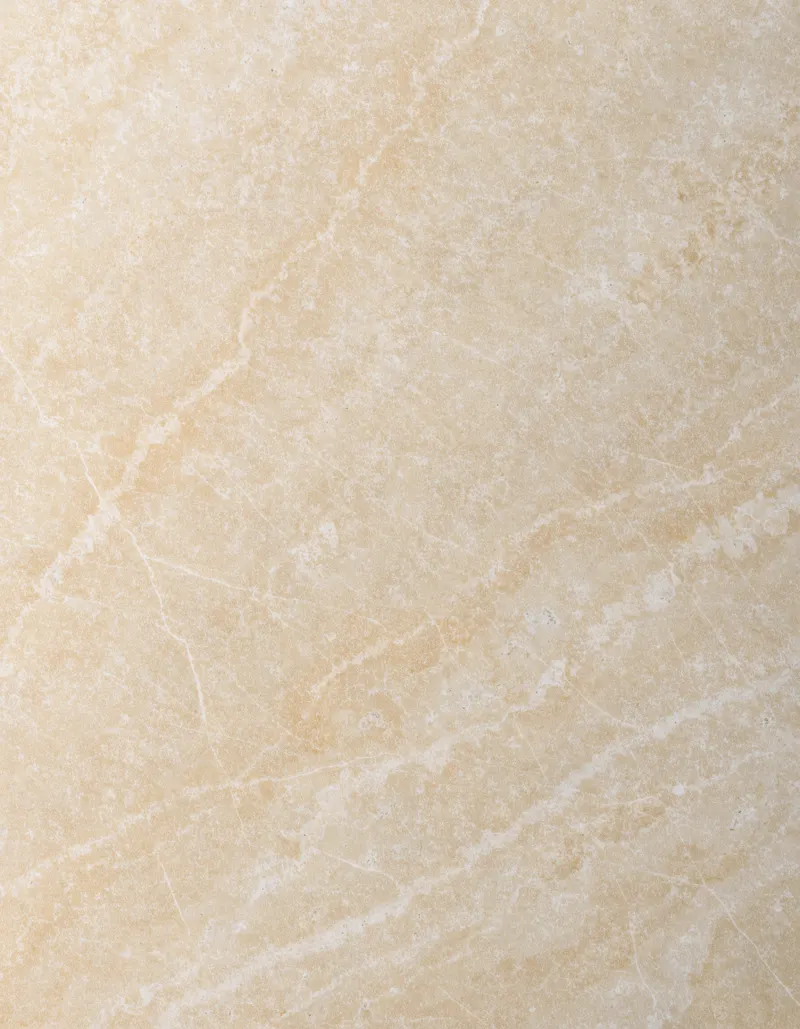
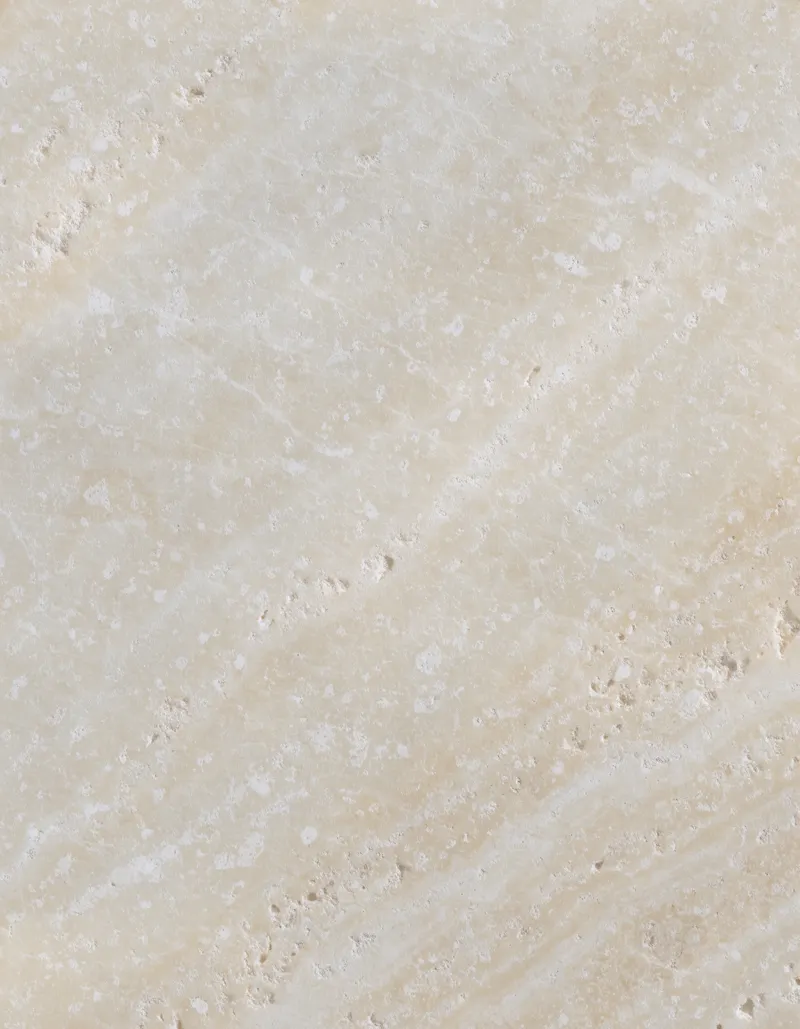
Galala is the stone most people mean when they say Egyptian marble. It takes its name from the Galala plateau on the Red Sea side of the country, and it is a limestone by geology and a marble by trade — sold, specified and finished as marble, and behaving like a soft to medium one in use.
Its value is evenness. The cream ground is calm and consistent enough to run across a whole floor or elevation without a pattern to match, which is why it appears on more Egyptian façades and lobbies than any other stone.
It also takes every face well. Polished for a formal interior, honed for traffic, brushed for warmth at hand height, tumbled for a courtyard that should look older than it is — one stone covering four registers of a single building. Being softer and more porous than granite, it wants real drainage and a sensible finish anywhere water sits.
| Water absorptionASTM C 97 | 0.24 % |
|---|---|
| Bulk specific gravityASTM C 97 | 2646 |
| Modulus of ruptureASTM C 99 | 2400 psi |
| Compressive strengthASTM C 170 | 23400 psi |
| Abrasion resistanceASTM C 241 | 41.1 Ha |
| Flexural strengthASTM C 880 | 2200 psi |
Typical values for this stone. Natural stone varies between beds and blocks — ask us for the current test sheet before you specify.